 Hossainul Sazzad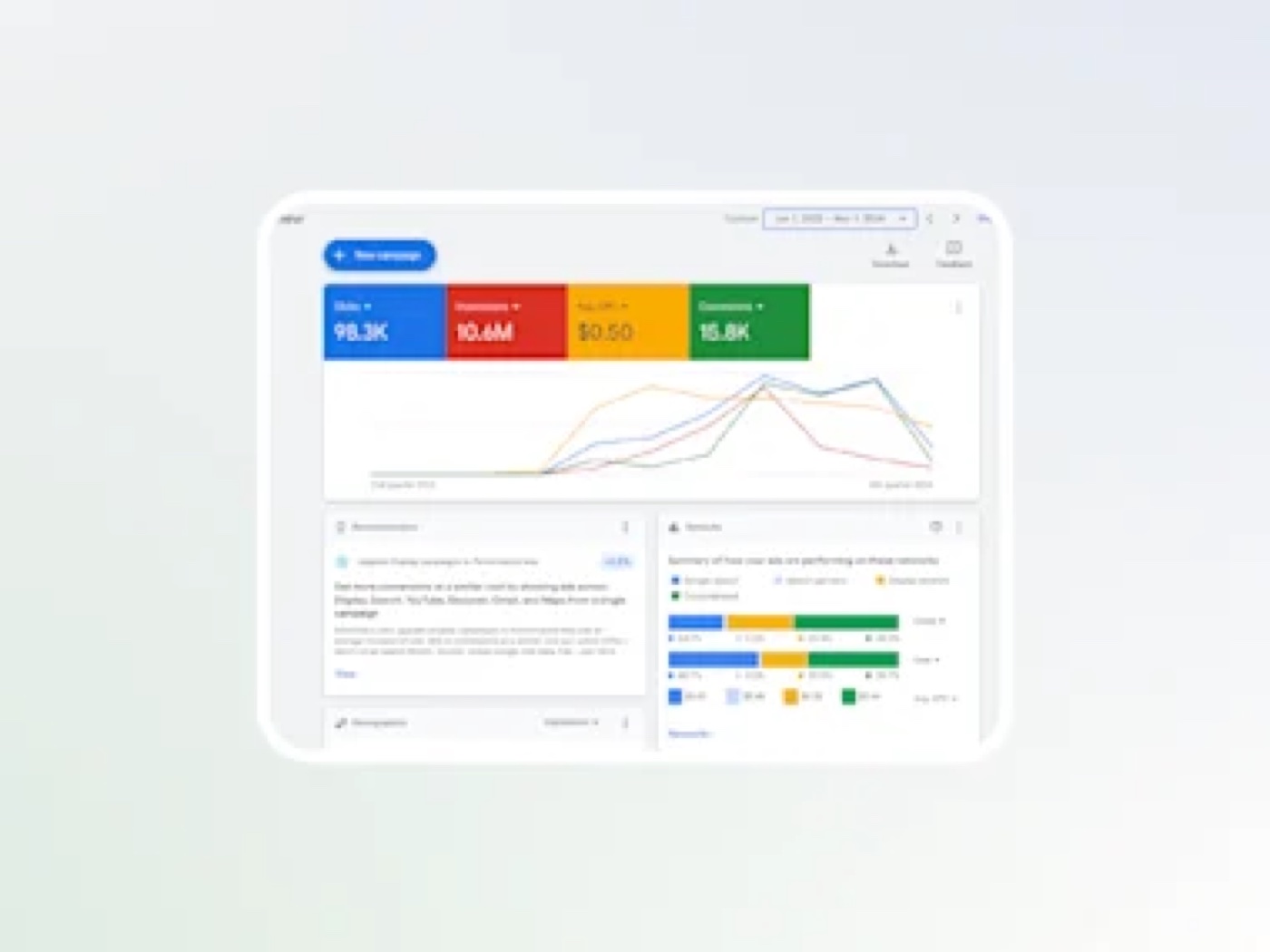
Most contractor Google Ads accounts I audit are losing money in the same four places. The campaign is bidding on "electrician" instead of "emergency electrician near me". Traffic lands on the homepage instead of a page about the job the person searched for. Nobody set up call tracking, so there is no way to tell which keyword produced the phone call. And Performance Max is quietly eating 40% of the budget on placements that will never convert.
None of that is exotic. It is just work nobody did.
Why contractor PPC is unforgiving
Clicks in the trades are among the most expensive on Google. Emergency and high-ticket keywords routinely run $15 to $60 per click in competitive US metros, and some run far higher. At $40 a click, a campaign with a 3% conversion rate is paying $1,300 per lead. At a 12% conversion rate it pays $333. Same traffic, same spend, the difference is entirely in the build.
That is why I would rather run a small, tight account well than a large one loosely. The lever is rarely budget. It is match types, negatives, landing pages and knowing which searches to refuse.
What I run for contractors
- Search campaigns built around jobs, not trades. Separate campaigns for emergency work, high-ticket installs and routine service, each with its own budget, bids and landing page. "Electrical panel upgrade cost" and "electrician near me" are different customers and should never share an ad group.
- Local Services Ads. Setup, Google Guaranteed verification, category and service-area configuration, and ongoing lead disputes. Those refunded bad leads add up. LSAs charge per lead rather than per click and sit above everything else on the page.
- Negative keyword discipline. The single highest-return hour in any contractor account. "Jobs", "salary", "apprenticeship", "DIY", "how to", "courses", "near me hiring", every one of those is somebody who will never book you.
- Landing pages that match the search. One page per campaign, naming the service, the city, a real price range and a tap-to-call button above the fold.
- Call tracking and conversion setup that actually works. Calls over 60 seconds counted as conversions, form fills deduplicated, and offline conversion import where your CRM supports it, so Google optimizes toward booked jobs instead of cheap clicks.
- Remarketing that isn't creepy. A short window and a capped frequency for people who viewed a service page and didn't call. Cheapest conversions in the account, every time.
- Monthly reporting in your language. Spend, leads, cost per booked job, and what I changed. Not a 40-page dashboard export.
Google Ads vs Local Services Ads vs SEO
Contractors ask me to pick one. The honest answer is that they occupy different slots on the same results page, and the right mix depends on what your schedule looks like this month.
- Local Services Ads sit at the very top with the Google Guaranteed badge and charge per lead. Cheapest quality leads available for most trades, but limited to the categories and areas Google supports, with no control over messaging.
- Google Ads Search sits below LSAs and above the map. Full control of copy, landing pages, radius and every service you offer. Charged per click, so build quality decides whether it is profitable.
- Local SEO and the Map Pack takes months but keeps producing after you stop paying. This is where the compounding is. My 21-step electrician SEO guide lays out the whole process if you want to see it.
If you want the paid-platform comparison in more depth, I wrote up Local Services Ads vs Google Ads for contractors (eligibility, ranking factors and the order I actually run them in) and Google Ads vs Meta Ads for home service businesses from real campaigns on both.
Want to know where your ad budget is leaking?
Send me your Google Ads account and I'll review your search terms report, negatives, conversion setup and landing pages, then tell you the three changes that will drop your cost per booked job the fastest. Free, and I'll say so if the account is already in good shape.
Get My Free Google Ads ReviewWhat Google Ads management costs for contractors
Two separate numbers, and mixing them up is how contractors end up confused about what they're paying for:
- Ad spend goes to Google. Most single-location contractors start at $1,500–$5,000 a month. Below roughly $1,000 there isn't enough data to optimize on, and you end up paying learning costs forever.
- Management goes to whoever runs it. The market rate is 10–20% of spend, or a flat $500–$1,500 a month for a single-location account.
If you want the general version of this, what Google Ads management services include for any small business, and the three fee models compared. That has its own page. Two things to check before signing anywhere: make sure the Google Ads account is yours and stays yours if you leave, and ask what they report on. If the answer is clicks and impressions rather than cost per booked job, keep looking. For how this sits alongside organic budget, I broke the numbers down in what local SEO costs for home services.
The first 30 days
- Days 1–7: Account audit or fresh build, conversion tracking and call tracking verified, negative keyword lists loaded, Local Services Ads verification started if you're eligible.
- Days 8–21: Campaigns live, landing pages published, search terms reviewed every second day. This early window is where the bulk of the wasted spend gets cut.
- Days 22–30: Bid and budget reallocation toward what booked, ad copy testing, first full report with cost per lead and cost per booked job.
Leads normally arrive in week one. Efficiency arrives around day 45.
Trades I run contractor PPC for
The build differs by trade because the demand curve does, electricians spike on storms and outages, HVAC on the first hot week, plumbers on burst pipes:
- Electricians and electrical contractors, panel upgrades, EV chargers, emergency callouts
- HVAC companies, seasonal tune-ups, system replacement, emergency AC and heating
- Plumbers, burst pipes, water heaters, drain and sewer work
- Pest control companies, seasonal infestations and recurring treatment plans
Also general contractors, roofers, remodelers, concrete and masonry companies, same discipline, different keywords.
Where Meta fits alongside this
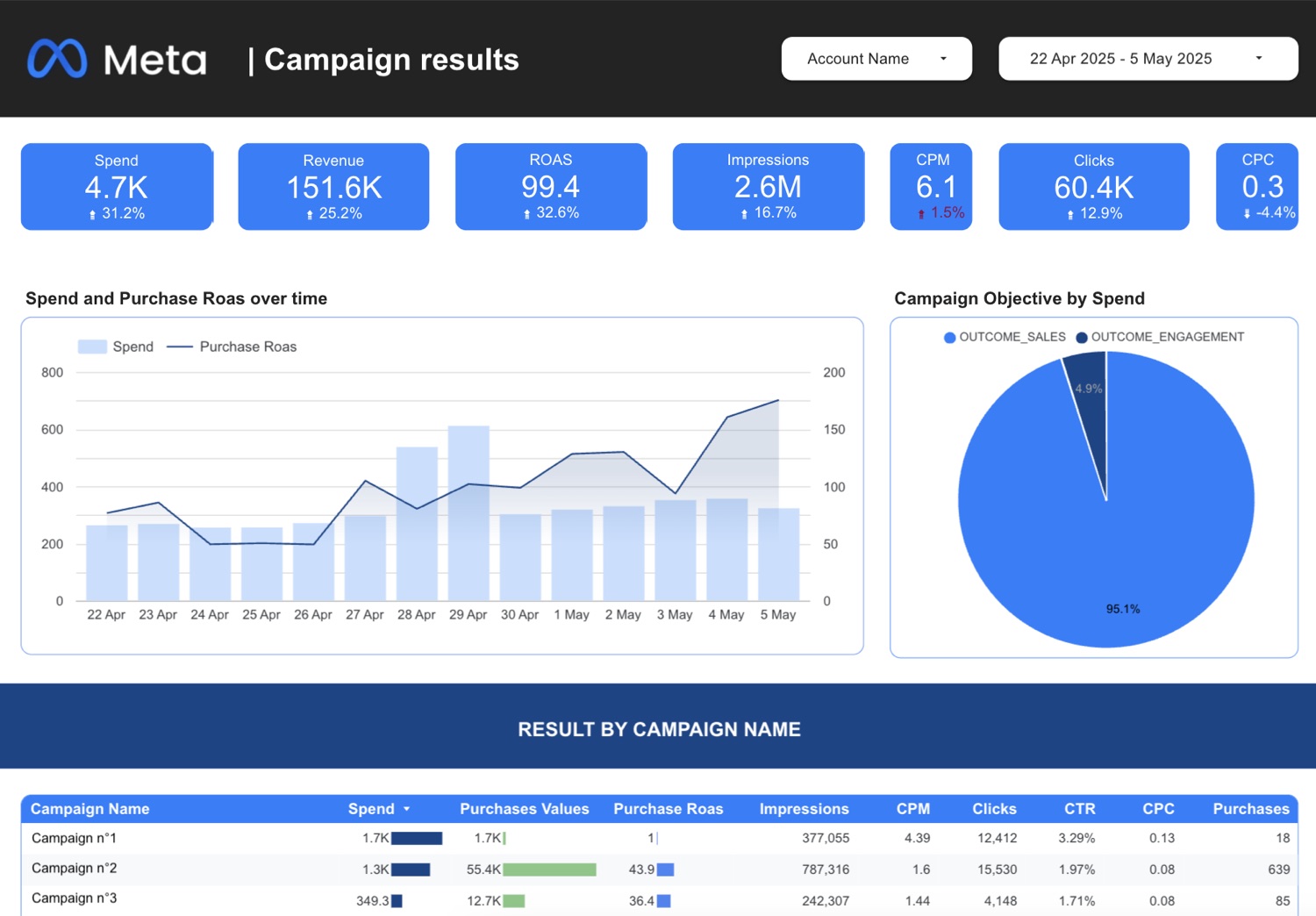
Search catches people who already have the problem. For planned, high-ticket and seasonal work (generator installs, EV chargers, HVAC replacement sold before the heatwave) and for retargeting visitors who didn't call, Meta Ads does a job Google can't.
Real Campaign Results
Screenshots from accounts I've managed, not stock claims:
98.3K Clicks, 15.8K Conversions
Paid Social That Backs Up Search
Frequently Asked Questions
How much do contractors spend on Google Ads?
Most single-location contractors start at $1,500–$5,000 a month in ad spend, plus management of 10–20% of spend or a flat $500–$1,500. Trades clicks commonly run $15–$60 in competitive US metros, so budgets under about $1,000 a month rarely gather enough data to optimize properly.
Are Local Services Ads better than Google Ads for contractors?
They do different jobs. LSAs sit above everything, carry the Google Guaranteed badge and charge per lead, usually the cheapest quality leads available. But they only cover certain categories and areas, and you can't control the messaging. Search Ads reach every service at any radius with full control. Most contractors should run both.
Are paving or asphalt contractors eligible for Local Services Ads?
Not as a standalone paving category in most US markets. Google's LSA home-service categories cover electricians, plumbers, HVAC, roofers, garage door, landscaping and general contracting. Paving, asphalt and masonry usually have to qualify under general contractor, and eligibility varies by city, check the category list for your ZIP in the LSA signup first. If you're not eligible, standard Search is the route in.
How long before Google Ads produces leads?
Calls usually start in the first week, because you're buying demand that already exists. Efficiency takes longer, expect 30–60 days of negative keyword work, bid adjustments and landing page testing before cost per booked job settles.
Should contractors use Performance Max?
Cautiously, and rarely first. Performance Max needs a steady volume of conversions to learn from, and most contractors don't have it, so the campaign spends budget on cheap, low-intent placements. Start with a tight Search campaign, prove your cost per booked job, then test Performance Max with a capped budget.
What's a good cost per lead for contractor PPC?
It depends on job value. Routine service calls: $40–$90 per lead in US suburban markets. High-ticket work like panel upgrades, roof replacements or HVAC installs: $120–$300 per lead can still be strongly profitable. The number that matters is cost per booked job against your average ticket, not cost per lead.
Do I need a separate landing page for Google Ads?
Usually yes. Sending paid traffic to your homepage is the most common reason contractor campaigns underperform, the visitor searched for one specific job and now has to hunt for it. A dedicated page naming the service, city, price range and a tap-to-call button typically lifts conversion rate substantially at identical spend.
Should I run Google Ads or SEO first?
If your schedule has holes this month, ads. They produce calls in days. SEO takes 3–6 months but keeps paying after you stop. Most contractors should run both: ads carry the pipeline while local SEO builds underneath, then ad spend scales back to emergency and high-margin services.
Not sure whether ads or SEO is your next dollar?
Tell me your trade, your city and roughly what a job is worth to you. I'll tell you honestly which one I'd spend on first, and if it's not the thing I'd be selling you, I'll say that too.
Ask Me Which to Run First